

Settlers vs. Immigrants
A Foundation Built by Settlers, Not Immigrants.

CH2: Settlers vs. Immigrants
This is Part 2 of From Plymouth to Power: Defending America’s Sovereignty. Read the Prologue and Chapter 1 here.
Introduction to the Settler Identity
America stands on a foundation few truly understand. That foundation is not a melting pot of immigrants but a bedrock laid by settlers, pioneers who turned a wild, unclaimed land into a nation. Settlers were the first wave, the builders who ventured into uncharted territory to create something new. They were not tourists or freeloaders dropping into someone else’s story. Alan Taylor captures this, writing, "English settlers viewed North America as a ‘wilderness’ to be tamed, a place where they could establish a new society free from European constraints" (American Colonies). The NPR echoes it, noting, "The Pilgrims weren’t begging at someone else’s door, they were seen as planting a flag" (Reconsidering The Pilgrims, Piety And America’s Founding Principles). These were men and women with a mission, not a handout in mind. They saw opportunity where others saw nothing, planting roots instead of leaning on someone else’s work.
The historical stage proves their uniqueness. When settlers like those in Jamestown in 1607 or Plymouth in 1620 arrived, they faced a raw, unforgiving land. Taylor explains, "Between 1492 and 1776, North America lost population due to Native deaths from disease and war" (American Colonies). Charles C. Mann adds depth, stating, "Epidemics killed 75-90% of coastal Native populations by 1700" (1491). Before that, Mann notes, "North America’s precolonial population grew from about 100,000 in the late Paleolithic period to around 1 million by the end of the Archaic period" (1491). This left vast, sparse tracts for settlers to claim. By 1670, Taylor records 100,000 English settlers building colonies from scratch, facing disease, predators, and Native hostility. They stepped into a void and filled it with a nation, not inheriting anything but the dirt they stood on.
This chapter lays out a clear case: settlers, not immigrants, are America’s heart, and the Pilgrims prove it best. Bill Kauffman reminds us, "The Founding Fathers warned against unchecked entry" (America First), a nod to the settler spirit of control and purpose. The NPR captures their legacy, saying, "For the American right, Pilgrims are icons of Christian nationalism" (Reconsidering The Pilgrims). Immigrants came to a table already set, settlers cut the timber to build it. Watch us prove it step by step through their story, their contrast with later arrivals, and their enduring mark on who we are.
The Settler Narrative: Pioneers of a New Nation
Settlers arrived on these shores and created a nation from an untamed land. They transformed wilderness into the America we recognize today, relying on their labor, faith, and determination rather than external support. This section outlines their story, the true beginning of our identity as a people. They ventured into uncharted territory to establish a society that remains the core of what America is, and their efforts distinguish them as the founders we must honor. They didn’t come to borrow someone else’s vision; they constructed their own, and their work supports everything we have now.
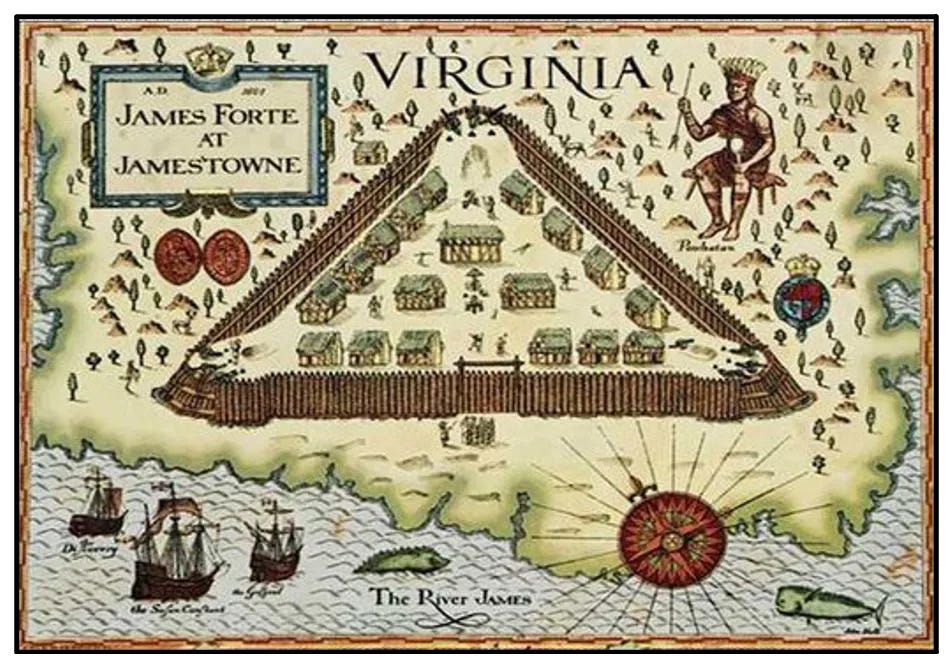
Their reasons for crossing the ocean were clear and purposeful: land, faith, and freedom. Alan Taylor writes, “English settlers were driven by a mix of economic, religious, and imperial motives, seeking to escape the rigid hierarchies and limited resources of Europe” (American Colonies). He adds, “The promise of land and opportunity was a major draw” (American Colonies), pulling them from England’s overcrowded and restrictive conditions. Jill Lepore notes, “The English aimed to spread Protestant Christianity” (The Name of War), intending to establish a religious foundation in a new world. Other groups approached this continent differently. The French, beginning with Samuel de Champlain in Quebec in 1608, prioritized fur trade, setting up small posts that left little permanent mark. The Spanish, arriving in St. Augustine in 1565, sought gold and territorial claims, building settlements focused on extraction rather than enduring communities. English settlers stood apart. Taylor’s records show they pursued lasting establishment over temporary gain, unlike the French who traded or the Spanish who plundered. They intended to create a stable, faith-based nation, and their actions ensured that goal outlasted their competitors.
Their ability to sustain themselves turned intent into achievement. Taylor states, “After 1640, most free English colonists were better fed, clothed, and housed than England’s destitute half” (American Colonies), a significant outcome in a land that initially provided only challenges. Access to land made this possible. He explains, “The abundance of land made wage labor scarce, leading settlers to rely on indentured servants and African slaves to build their society” (American Colonies). By 1700, Virginia settlers exported 20 million pounds of tobacco annually, demonstrating economic success driven by their own efforts (Taylor, American Colonies). The Spanish struggled when their gold pursuits faltered, and their colonies weakened without a sustainable base. English settlers, however, established farms and towns that supported a growing population. Taylor’s accounts detail their early struggles in places like Jamestown, where starvation and disease killed many before they secured a foothold. They didn’t depend on outside rescue, they used their own resources and persistence. Slavery became part of this effort, a practical decision in a vast land requiring more labor than one person could provide. They didn’t wait for assistance, they worked through every obstacle to lay the groundwork for a nation.
The society they built was not a copy of Europe, it was a distinct creation shaped by their circumstances. Taylor observes, “English colonial societies lacked the aristocracy of the mother country, creating a political vacuum that allowed prosperous merchants and planters to rise to prominence” (American Colonies), rewarding effort over inherited status. The NPR states, “The Pilgrims’ faith, Protestant and unyielding, infused the colonies with a moral framework that shaped the Constitution and national ethos” (Reconsidering The Pilgrims, Piety And America’s Founding Principles). God’s design for nations, as scripture affirms, guided their faith, a truth that anchors our sovereignty still. This faith was not a diluted import, it was a robust belief system that guided their construction of schools, churches, and legal codes. Reihan Salam connects this to later policy, noting, “The U.S. Immigration Act of 1924 aimed to preserve cultural stability” (Melting Pot or Civil War?), reflecting the settlers’ emphasis on a cohesive society. Taylor’s records indicate that white settlers developed greater liberty alongside a sense of racial unity, strengthening their communities against external pressures. In contrast, the French in Canada retained feudal structures, limiting growth, and the Spanish imposed a rigid, top-down order from their monarchs. English settlers rejected those models, fostering a system where achievement determined standing. Their faith and work ethic are not minor details, they form the moral and practical foundation of our governing principles and national character.
Their accomplishments required overcoming severe conditions. Taylor describes how settlers in Virginia and Massachusetts endured initial years of hardship, with failed crops and high death rates threatening their survival. Lepore adds, “They faced significant hardships, including disease, predators, and Native hostility” (The Name of War), challenges that tested their resolve. They had no external safety net, no royal fleet arrived to bail them out. They relied on their own tools, their community, and their belief in a higher purpose. By the late 1600s, Taylor notes, their colonies housed tens of thousands, surpassing other European efforts in North America. This growth was not accidental, it resulted from their persistent labor and strategic choices. They converted swamps into productive fields, cleared forests for settlements, and established a presence that became a beacon for later generations. Their narrative demonstrates what it means to be pioneers, individuals who didn’t merely endure a new land but transformed it into a lasting nation through their own strength and vision.
The Immigrant Counterpoint: Arrivals to an Established Society
Immigrants came to America after the settlers had already laid the foundation. They arrived in a nation shaped by those who turned wilderness into a functioning society, contributing to what existed rather than creating it from the ground up. This section draws a clear line between the two: settlers established America’s core, immigrants joined a structure already in place. Their role was secondary, and their presence, while adding to the nation, does not define its origin.
Immigrants entered a world settlers had built, not a blank slate. Alan Taylor writes, "During the 18th century, most colonial arrivals were African slaves, forcibly brought to a land of slavery rather than European volunteers seeking freedom" (American Colonies). Charles C. Mann provides context, noting, "By 1770, 20% of the colonial population was African, forcibly brought" (1491), a stark contrast to the settlers who came of their own accord to establish something new. Later, Europeans followed, groups like the Welsh, Scots, and Germans arriving after the 1700s. Taylor’s records show these arrivals used roads, towns, and systems settlers had carved out, stepping into a society with courts, farms, and ports already functioning. The French in Canada, by comparison, remained a smaller presence, their trade-focused settlements dwarfed by the English settler colonies. Immigrants didn’t face an untamed land, they walked through a door settlers had opened through decades of effort.
Their task was adaptation, not invention. Taylor explains, "British colonies included diverse groups, thrown together in the colonies, they had to find a new shared identity, dialect, and customs" (American Colonies). These later arrivals molded themselves to a framework settlers had defined, adopting the language, laws, and social norms already set. Samuel Huntington warns of a modern shift, stating, "Newcomers often resist assimilation, threatening cohesion" (Who Are We?), a problem absent in the settler era when unity was the starting point. Roy Beck adds an economic angle, noting, "Mass immigration undermines the economic gains of native workers" (The Case Against Immigration), suggesting that even early immigrants brought challenges to those who built the base. The French in Canada clung to their own ways in small enclaves, but English settler colonies demanded conformity to a larger vision. Taylor’s notes highlight how diverse Europeans in the 18th century had to forge a collective identity within a settler-shaped society, not create one from scratch. They didn’t carve the mold for America, they fit into it, and sometimes their numbers or differences strained what was already there.
Economically and socially, immigrants built on settler achievements, often at a cost to those already established. The Federation for American Immigration Reform reports, "In 2021, refugees cost U.S. taxpayers $182 billion" (The Cost of Illegal Immigration to Californians), a modern reflection of how newcomers draw on resources settlers didn’t have to provide for themselves. Francine Blau and Christopher Mackie confirm, "Short-term costs burden taxpayers now" (The Economic and Fiscal Consequences of Immigration), showing immediate impacts rather than the long-term building settlers undertook. Beck provides historical scale, stating, "Ellis Island saw 12 million arrive from 1892 to 1954" (The Case Against Immigration), a wave that relied on ports, cities, and industries settlers had developed over centuries. Taylor’s accounts note that by the 1700s, colonial populations included growing numbers of non-English Europeans and enslaved Africans, all entering a society with established trade routes and governance. The settlers had no such foundation to lean on, they started with nothing and made everything. Immigrants added to that structure, but their arrival sometimes stretched it, requiring resources and adjustments settlers never demanded from others.
This contrast isn’t about denying immigrant contributions, it’s about recognizing who set the stage. Taylor’s records show that while settlers like those in Jamestown and Plymouth faced starvation and built their first homes, later arrivals in the 18th century found settlements ready to absorb them. Beck’s analysis ties this to economic pressure, noting how even early immigrant waves competed with settler descendants for work and land. Huntington’s modern lens highlights a shift, where today’s resistance to assimilation echoes but exceeds those early tensions. The French in Canada, with their limited footprint, never challenged the English settler model on this scale. Blau and Mackie’s data on short-term costs mirror historical patterns, where settlers bore the full burden of creation while immigrants entered with support systems in place. The Ellis Island era, Beck points out, rested on a nation settlers had already secured, its infrastructure a testament to their prior labor. Immigrants added bricks to a house settlers designed, and though they helped it grow, their presence often tested the strength of the walls rather than laying them anew.
The difference is fundamental. Settlers arrived with no safety net, no prebuilt towns to welcome them. Immigrants, from the 18th century to today, stepped into a nation settlers had fought to establish. Taylor’s notes on colonial diversity show how those later groups adapted to an English settler culture, not the other way around. Beck and Huntington underline the costs and challenges this brought, costs settlers never imposed on anyone. The modern $182 billion figure from FAIR only amplifies what history hints at: immigrants rely on what settlers created, not the reverse. This section makes it clear: America’s origin lies with those who built it, not those who joined it later.
The Pilgrims as Nation-Builders: A Unified Vision
The Pilgrims stand as the pinnacle of what settlers could achieve. They arrived with a singular purpose, rooted in faith and self-reliance, and built more than a colony, they established the principles that define America’s foundation. This section highlights their story, showing how their cohesive vision outshines the fragmented nature of modern immigration. They were not just survivors, they were architects of a nation, and their example underscores why settlers, not immigrants, hold the key to our identity.
Their journey began in 1620, when they landed at Plymouth Rock under conditions that would have crushed a lesser group. Alan Taylor writes, "They faced significant hardships, including disease, unfamiliar crops, predators, and Native hostility" (American Colonies). Jill Lepore adds precision, noting, "Half perished from starvation and disease" (The Name of War), a toll exacted by that first brutal winter. Charles C. Mann provides context, stating, "Squanto taught them to plant maize" (1491), a critical intervention from a Native ally that helped them endure. William Bradford, their leader, recorded their isolation in stark terms: they had no friends to welcome them, no inns to rest in, only the frozen shore and their resolve. Taylor’s accounts detail further struggles, with unfamiliar crops failing and predators stalking their early efforts. They arrived with no support waiting, no established settlement to lean on. Half their number gone, they still pressed forward, relying on their own strength and a fragile lifeline from Squanto. They didn’t collapse under the weight of those losses, they stood firm and began to build, driven by a purpose stronger than the cold that surrounded them.
That purpose took form in the Mayflower Compact, a document that was more than survival, it was the birth of self-governance. Taylor observes, “White racial solidarity developed in tandem with greater liberty for white men in British colonies” (American Colonies), a unity crystallized in the Compact’s pledge to govern themselves under shared rules. The NPR elaborates, “The Compact was a covenant under God” (Reconsidering The Pilgrims, Piety And America’s Founding Principles). Scripture’s call for one faith, God’s word to His people, bound their covenant, a mandate we uphold. Yoram Hazony connects this to a broader truth, writing, “Borders are essential to national identity” (The Virtue of Nationalism), a principle the Pilgrims lived by as they defined their community against the wilderness. Taylor’s notes reveal no aristocracy cluttered their ranks, they operated as a group of equals bound by belief and necessity. The French in Canada relied on distant lords, and the Spanish answered to a king across the sea, but the Pilgrims answered only to themselves and their God. This wasn’t mere existence, it was the creation of a system that echoed in the Constitution centuries later. They didn’t just live through that first year, they legislated the foundation of a nation rooted in faith and collective will.
Today’s immigration stands in sharp contrast to that unity. Mark Krikorian warns, "Immigration today poses risks to national security" (The New Case Against Immigration), pointing to incidents like the 2015 San Bernardino attack, where an immigrant’s actions exposed the dangers of unchecked entry. Bryan Caplan argues, "The global poor face hunger and desperation" (Open Borders), suggesting a humanitarian case for open borders, but this offers no shared purpose, only a scattered influx of need. Krikorian’s records note San Bernardino as a stark example, a terrorist act by someone who slipped through a system lacking the Pilgrims’ cohesion. Taylor’s accounts of the Pilgrims show a group aligned in faith and goal, every member pulling toward the same end. Modern immigrants arrive with diverse backgrounds, languages, and intentions, often resisting the unity that defined Plymouth. Samuel Huntington reinforces this, stating, "Newcomers often resist assimilation, threatening cohesion" (Who Are We?), a fracture the Pilgrims never allowed. Roy Beck adds an economic layer, noting, "Mass immigration undermines the economic gains of native workers" (The Case Against Immigration), a burden absent in the Pilgrims’ self-sufficient start. The Pilgrims spoke with one voice, today’s arrivals bring a chorus of competing demands, weakening the clarity settlers brought to this land.
Their achievement was no accident, it was the result of a vision held together by faith and discipline. Taylor’s notes detail how they turned a barren coast into a functioning settlement, planting crops with Squanto’s guidance and building homes despite losses. Lepore’s accounts of their hardships, disease and Native tensions, highlight the odds they overcame without external aid. Mann’s mention of Squanto shows a brief collaboration, but the Pilgrims’ survival hinged on their own efforts, not sustained reliance. The Compact wasn’t a reaction, it was a proactive step to ensure their society endured. Huntington’s modern warning of assimilation resistance contrasts with their immediate unity, and Krikorian’s security concerns underscore how far we’ve strayed from that model. Caplan’s plea for the global poor lacks the structure the Pilgrims imposed, a structure Hazony ties to national survival. They didn’t stumble into a colony, they deliberately built a nation, and their example towers over the disjointed inflows we face now.
Broader Implications and Nationalist Lens
The settlers’ story is not just a chapter in history, it’s a mandate for today. Their work established America’s foundation, a legacy of sovereignty and stability that modern immigration policies put at risk. This section ties their achievements to the present, showing why honoring their example is essential to preserving our nation. The contrast between settlers and immigrants isn’t academic, it’s a call to defend what they built against threats that undermine our heritage and security.
History offers clear lessons on protecting that legacy. Reihan Salam writes, "The U.S. Immigration Act of 1924 aimed to preserve cultural stability" (Melting Pot or Civil War?), a policy rooted in the understanding that settlers created a unified society worth safeguarding. Bill Kauffman adds weight, stating, "The Founding Fathers warned against unchecked entry" (America First), reflecting a settler mindset that valued control over borders and identity. Salam’s records note the 1924 Act limited immigration to maintain the ethnic and cultural balance settlers established, a balance that had kept the nation strong for over a century. Kauffman’s reference to the Founders ties this to the Mayflower Compact’s spirit, where self-governance demanded boundaries. Past leaders recognized the settlers’ contribution, they saw a nation forged by deliberate effort, not open access, and acted to shield it from disruption.
Today, that shield is crumbling under the weight of modern immigration. The Federation for American Immigration Reform reports, "In 2021, refugees cost U.S. taxpayers $182 billion" (The Cost of Illegal Immigration to Californians), a financial drain settlers never imposed on anyone. Samuel Huntington warns, "Newcomers often resist assimilation, threatening cohesion" (Who Are We?), eroding the unity the Pilgrims exemplified. Francine Blau and Christopher Mackie state, "Short-term costs burden us" (The Economic and Fiscal Consequences of Immigration), highlighting immediate economic pressures settlers avoided by building their own resources. Mark Krikorian adds, "Immigration today poses risks to national security" (The New Case Against Immigration), pointing to vulnerabilities absent in the settlers’ tightly knit communities. These threats touch every level, economic stability falters with billions redirected, cultural identity frays as assimilation fails, and security weakens with each unvetted entry. The settlers’ work, from farms to laws, faces unraveling as open borders invite pressures they never had to contend with.
This demands a nationalist response, a commitment to the settler vision. Yoram Hazony asserts, "Borders are essential to national identity" (The Virtue of Nationalism), a truth the Pilgrims lived and the 1924 Act upheld. Roy Beck notes, "Mass immigration undermines the economic gains of native workers" (The Case Against Immigration), echoing settlers’ self-reliance over dependency. Krikorian’s security concerns reinforce the need for control, a control settlers exercised from their first covenant. This isn’t about nostalgia or sentiment, it’s about survival. Settlers gave us a nation defined by faith, labor, and unity, and we must protect it against forces that dilute those strengths. Their legacy isn’t a gift to squander, it’s a charge to maintain, and that starts with recognizing the threats and acting to stop them.
Conclusion
This chapter shows America’s true origin. Settlers built the nation we know, they arrived in a wilderness and turned it into a society with their labor, faith, and unity. Immigrants came later, they added to what settlers had already established, contributing to growth but not laying the foundation. The Pilgrims stand as the clearest proof of this distinction; their cohesive vision of self-governance and purpose set a standard that later arrivals rarely matched. Their story, from the Mayflower Compact to their survival against all odds, shows what settlers brought to this land, a nation born of deliberate effort rather than chance or dependency.
That effort faced immediate challenges, and those challenges shaped what came next. Jill Lepore notes, “Settlers faced Native hostility” (The Name of War), a reality that tested their resolve from the start. Charles C. Mann adds, “Epidemics cleared the way” (1491), reducing Native populations and leaving space for settlers to claim and build. These were not easy victories, they were hard-won steps that defined the settler legacy. The nation they gave us reflects their strength, it stands because they overcame obstacles immigrants never had to face. Their faith, as God’s call for a holy nation, steels us to defend their work. We inherit that strength, and it’s our responsibility to protect it, not just as a memory but as a living commitment.
The settlers’ work is ours to defend. They gave us a nation rooted in their vision, and we must guard it against threats that erode what they achieved. That defense begins with understanding the challenges they met head-on, challenges we explore next as we turn to the Native societies they encountered.
P.S. Thanks for reading Chapter 2. I really tried to show why settlers built something special. I hope you enjoy it. I’d love to hear your take in the comments. Please consider subscribing, pretty please? And don’t forget to share!
With Love, Harper V.